IVF Preimplantational Genetic Diagnosis (PGD)

Selecting embryos to reduce risks

In Vitro Fertilization (IVF) with preimplantation genetic diagnosis (PGD) is one of the most advanced assisted reproduction techniques.

It consists of fertilizing each egg with a spermatozoon using the ICSI technique and then leaving the resulting embryos in long culture until they reach the blastocyst stage, which is the most advanced stage of development. PGD consists of taking a biopsy of the embryo at this stage in order to later analyze whether there is any type of chromosomal (PGT-A) or genetic (PGT-M) alteration. It is essential to emphasize that the biopsy must be performed on the blastocyst embryo, as this allows the extraction of cells from the trophoectoderm (the layer that will give rise to the placenta) without directly affecting the internal cell mass, which will form the future baby. In addition, performing the biopsy at this stage of development improves both the safety of the procedure and the reliability of the genetic analysis.

Once we have the result of the genetic analysis and in a second stage by cryotransfer, we can transfer the healthy embryo to the mother’s uterus, significantly increasing the chances of pregnancy and reducing the risk of miscarriage and pathologies in the future baby.

In vitro fertilization with preimplantation genetic diagnosis is usually indicated when

  • Maternal age exceeds 38 years and therefore there is a higher risk of chromosomal alterations.
  • Couples with a history of repeated miscarriages or implantation failure
  • Sperm quality is significantly impaired
  • When there is a risk of transmission of a known genetic disease in the parents.

A treatment tailored to you

In vitro fertilization with PGD has enabled millions of people around the world to fulfill their desire to start a family. At bLIVF we combine advanced technology, medical expertise and personalized support to offer effective and safe treatments.

Our goal is to offer a personalized treatment that maximizes the likelihood of success by providing each patient with the utmost confidence and care throughout the process.

parents with baby playing

Success rate of IVF with PGD (Preimplantational Genetic Diagnosis)

Age is a determining factor that directly influences the results of the treatment. These high percentages are due to the fact that we design personalized hormonal stimulation protocols, adapted to the characteristics of each patient, and that we have in vitro fertilization laboratories equipped with advanced technology, where embryos are developed and selected under optimal conditions.

Fertility experts

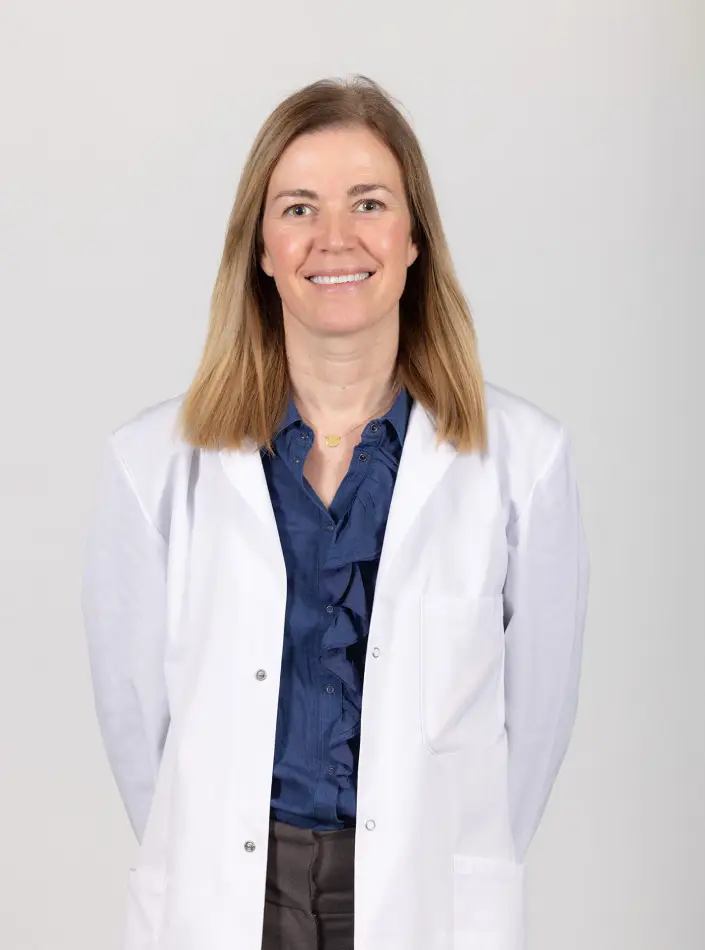
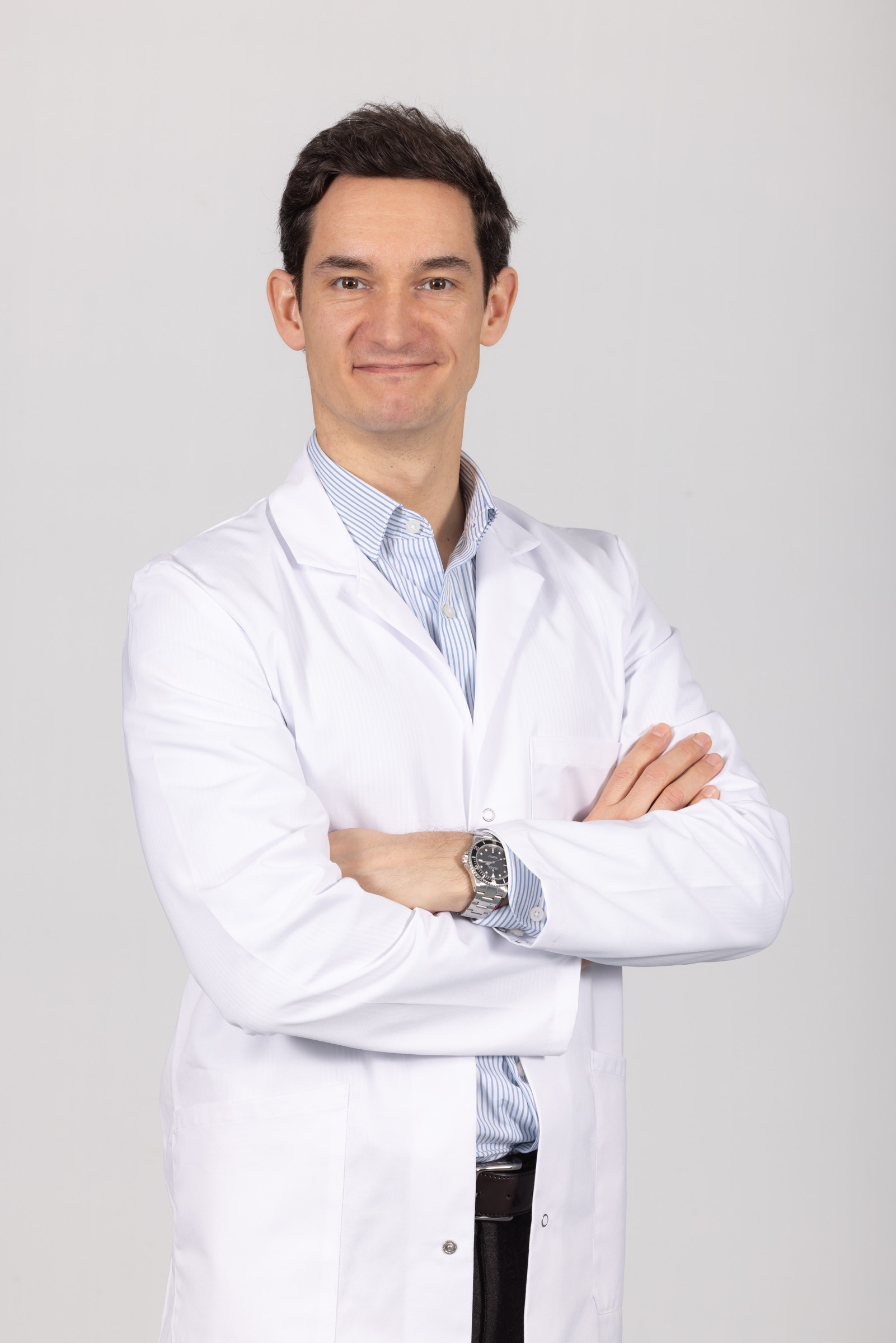
Dr. Iñaki González Foruria

Dr. Iñaki González-Foruria

Medical Director

Dr. Iñaki González-Foruria is a gynecologist specialized in reproductive medicine with a solid scientific background and a practice focused on scientific rigor and personalized attention to his patients.
claudia forteza - Genetic Diagnosis

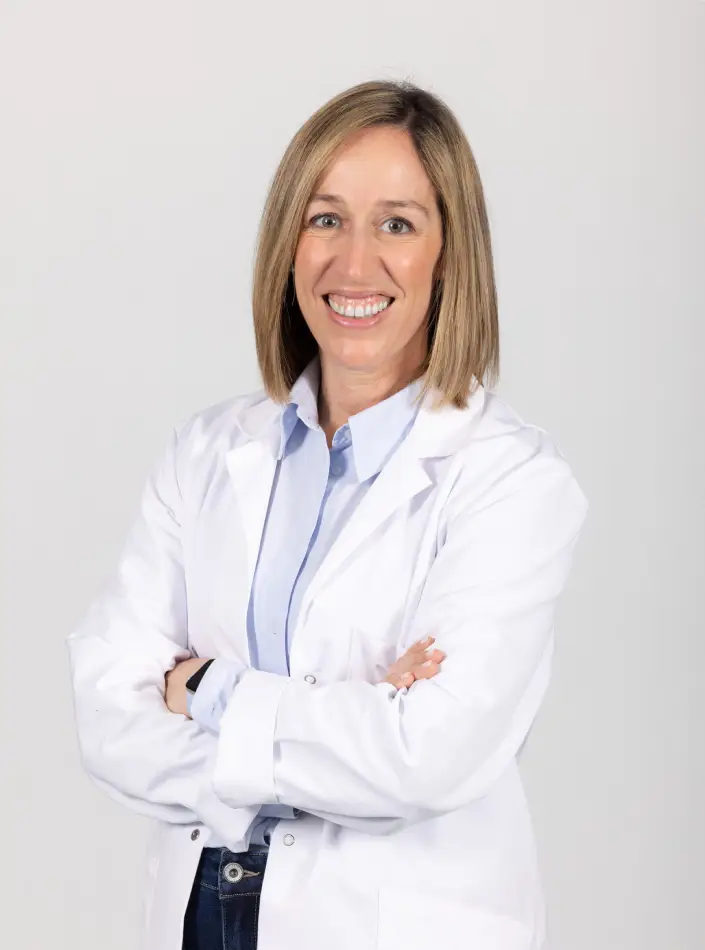
Dr. Clàudia Forteza Rosich

Medical team

Dr. Clàudia Forteza Rosich is a fertility specialist gynecologist with a solid professional career focused on women's integral health.

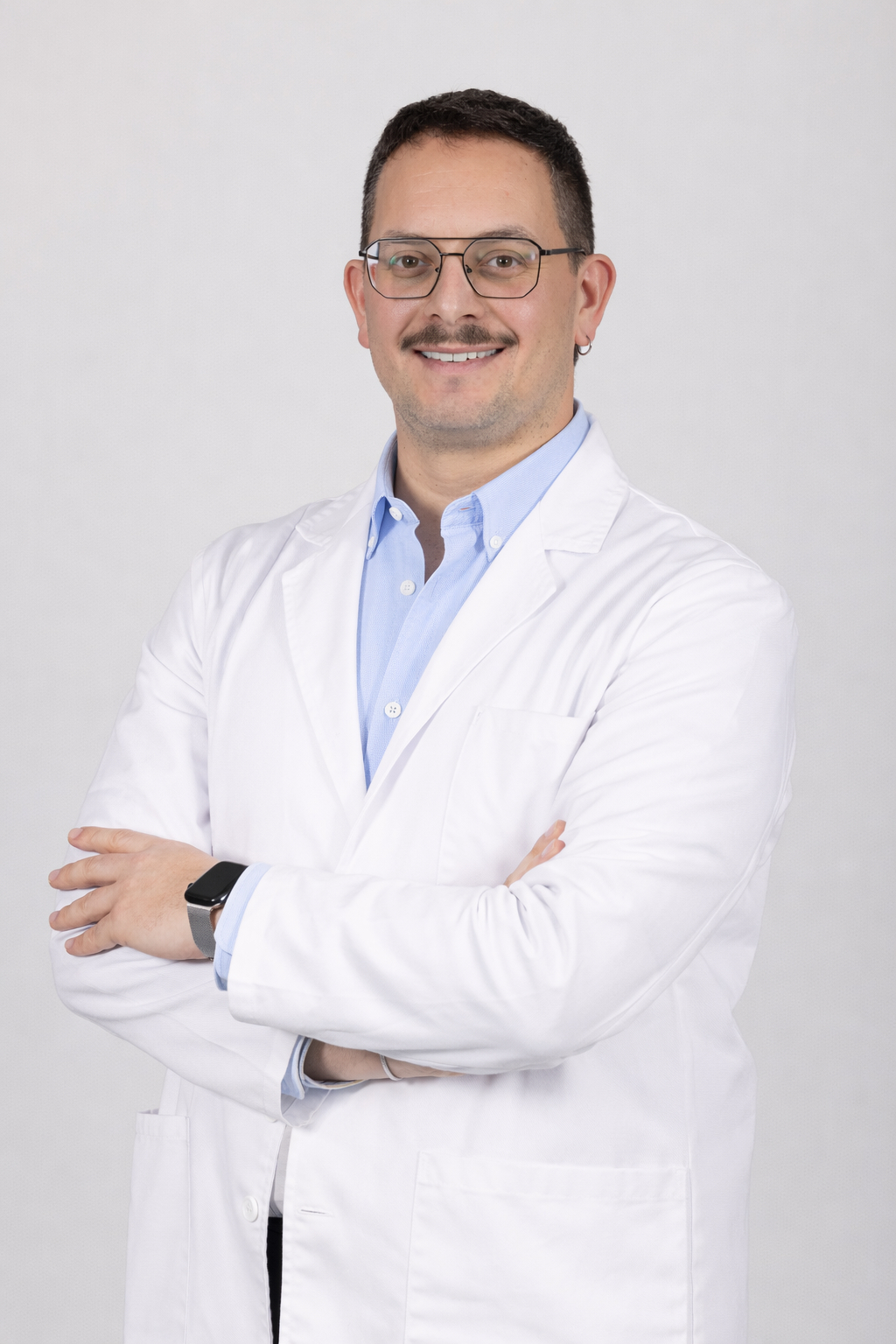
Dr. Raffaele Rosania

Dr. Raffaele Rosania

Medical team

Dr. Raffaele Rosania is a gynecologist specializing in assisted reproduction with a career focused on comprehensive women's health care and specialized care for transgender people.

Dr. Rebeca Beguería

Dr. Rebeca Beguería

Deputy Medical Director

Dr. Rebeca Beguería is a gynecologist specialized in reproductive health and reproductive medicine with a solid background and extensive clinical experience.

Dr. Véronique Moens

Dr. Véronique Moens

Medical team

Dr. Véronique Moens is a gynecologist specializing in assisted reproduction with an international linguistic profile.

blivfclinic-contact

Book your appointment