Embryo donation

A safe and more accessible alternative

Embryodonation is an assisted reproduction treatment that offers a real and hopeful opportunity to those women or couples who wish to have a child and cannot achieve it with their own gametes. It consists of the transfer of embryos previously created and donated altruistically by other people who have completed their reproductive treatment or by anonymous donors, always under strict medical and legal controls.

It is a treatment alternative especially indicated for those individuals or couples who are looking for an effective and more economically accessible option.

Unlike double gamete donation, in which both eggs and sperm come from donors specifically selected for each treatment, embryo donation uses embryos previously created and donated altruistically by other couples after completing their reproductive project. This particularity implies that, although it is a safe and clinically proven option, success rates may be slightly lower compared to treatments performed with specifically donated gametes.

However, this same characteristic makes it possible to offer a more agile treatment at a reduced economic cost, always maintaining the highest standards of quality and clinical control. Embryo donation represents, therefore, an option that combines accessibility, speed and a probability of success suitable for many clinical situations.

What does embryodonation consist of?

This procedure consists of introducing a semen sample previously prepared in the laboratory directly into the woman’s uterus at the optimal moment of ovulation. By bringing the sperm closer to the egg, the probability of fertilization occurring naturally within the body is increased.

AdobeStock 254027508 e1775658283543 - embryodonation

Embryo Donation Success Rate

Age is a determining factor that directly influences the results of the treatment. These high percentages are due to the fact that we design personalized hormonal stimulation protocols, adapted to the characteristics of each patient, and that we have in vitro fertilization laboratories equipped with advanced technology, where embryos are developed and selected under optimal conditions.

The embryodonation process step by step

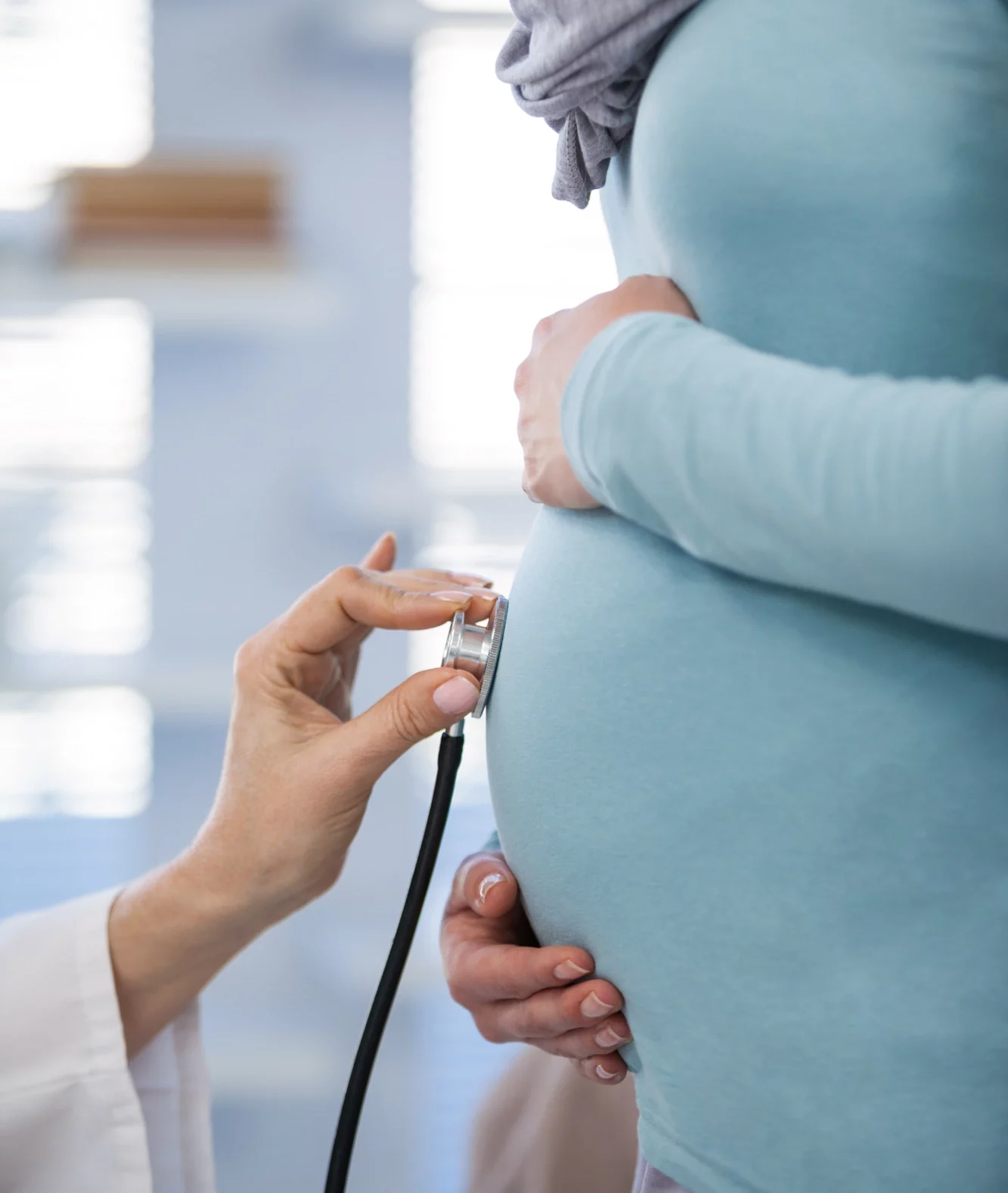
The procedure for the recipient woman in an embryo donation treatment is simple, well tolerated and much less complex than other assisted reproduction processes. It is mainly focused on preparing the uterus to favor the implantation of the embryo following the most indicated protocol according to the characteristics of the woman.

This preparation for cryotransfer can be through a natural cycle protocol or after receiving hormone replacement therapy.

The embryodonation process step by step

This preparation for cryotransfer can be through a natural cycle protocol or after receiving hormone replacement therapy.

Once the endometrium is prepared, the embryo transfer is scheduled. This procedure is brief, painless and does not require anesthesia. The embryo is introduced into the uterus through a fine cannula, guided by ultrasound, in a process similar to a gynecological check-up.

After the transfer, the patient continues with hormonal treatment to promote implantation.

Approximately 10 to 12 days later, a pregnancy test is performed to confirm the result.

In general, it is a comfortable and minimally invasive process, which allows the woman to live the treatment normally in her daily life, always maintaining a close and personalized medical accompaniment.

Our medical team will evaluate each case individually, with the aim of guiding and accompanying each patient towards the option that best suits their needs and expectations. Our commitment goes beyond the technique: we take care of every detail to make the experience as smooth and accompanied as possible. We believe in a reproductive medicine based on trust, closeness and respect, where each patient feels listened to, understood and supported at all times.

Fertility experts

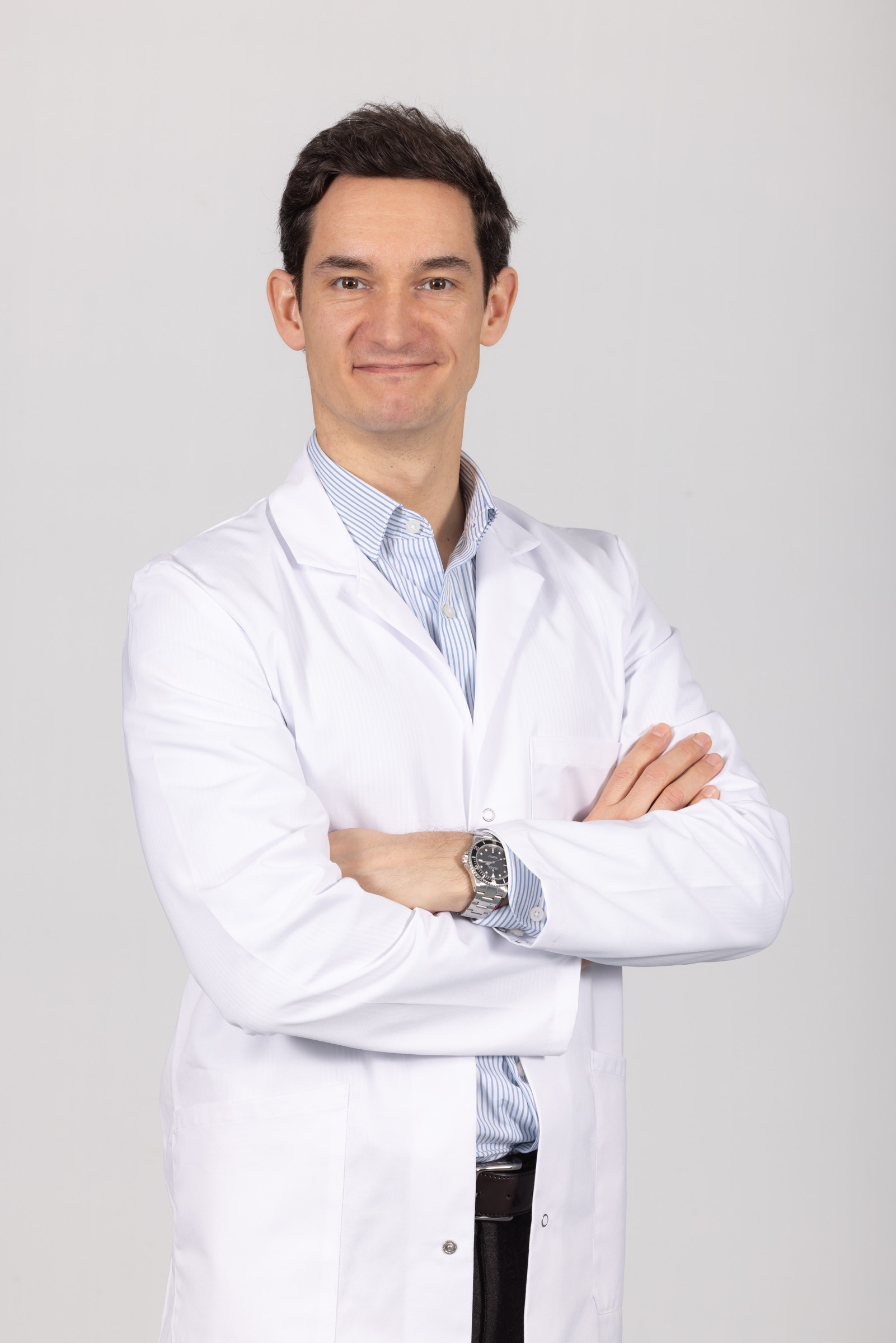
Dr. Iñaki González Foruria

Dr. Iñaki González-Foruria

Medical Director

Dr. Iñaki González-Foruria is a gynecologist specialized in reproductive medicine with a solid scientific background and a practice focused on scientific rigor and personalized attention to his patients.
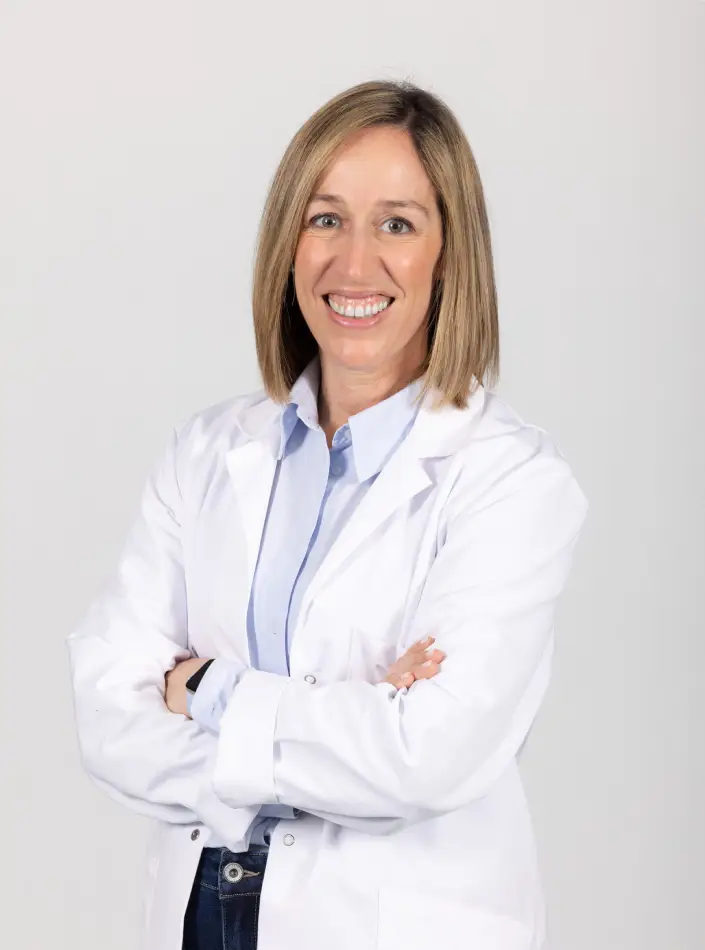
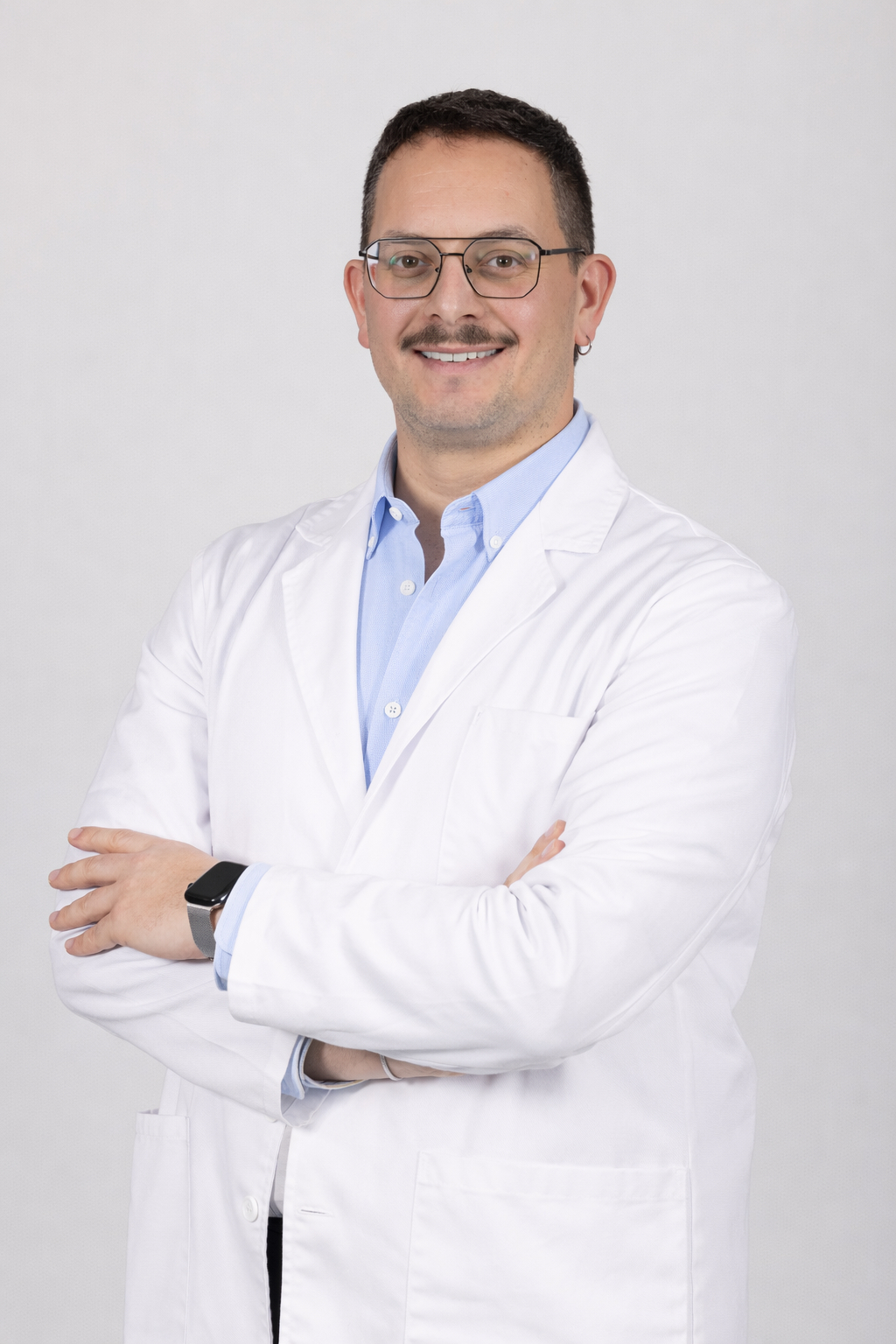
claudia forteza - embryodonation

Dr. Clàudia Forteza Rosich

Medical team

Dr. Clàudia Forteza Rosich is a fertility specialist gynecologist with a solid professional career focused on women's integral health.

Dr. Raffaele Rosania

Dr. Raffaele Rosania

Medical team

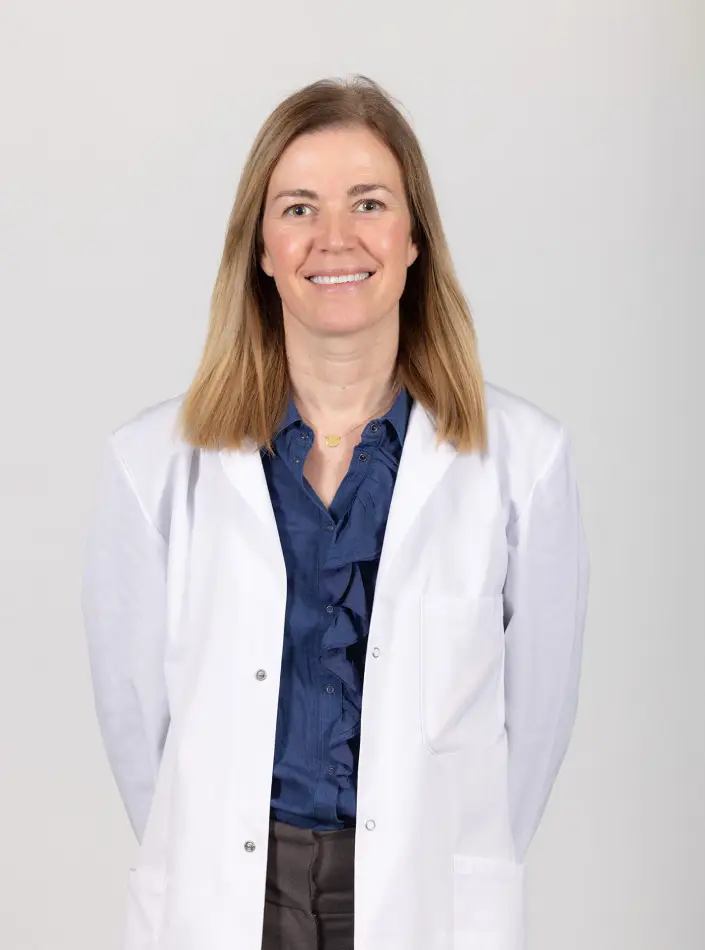
Dr. Raffaele Rosania is a gynecologist specializing in assisted reproduction with a career focused on comprehensive women's health care and specialized care for transgender people.

Dr. Rebeca Beguería

Dr. Rebeca Beguería

Deputy Medical Director

Dr. Rebeca Beguería is a gynecologist specialized in reproductive health and reproductive medicine with a solid background and extensive clinical experience.

Dr. Véronique Moens

Dr. Véronique Moens

Medical team

Dr. Véronique Moens is a gynecologist specializing in assisted reproduction with an international linguistic profile.

blivfclinic-contact

Book your appointment