IVF donor sperm (IVF-D)

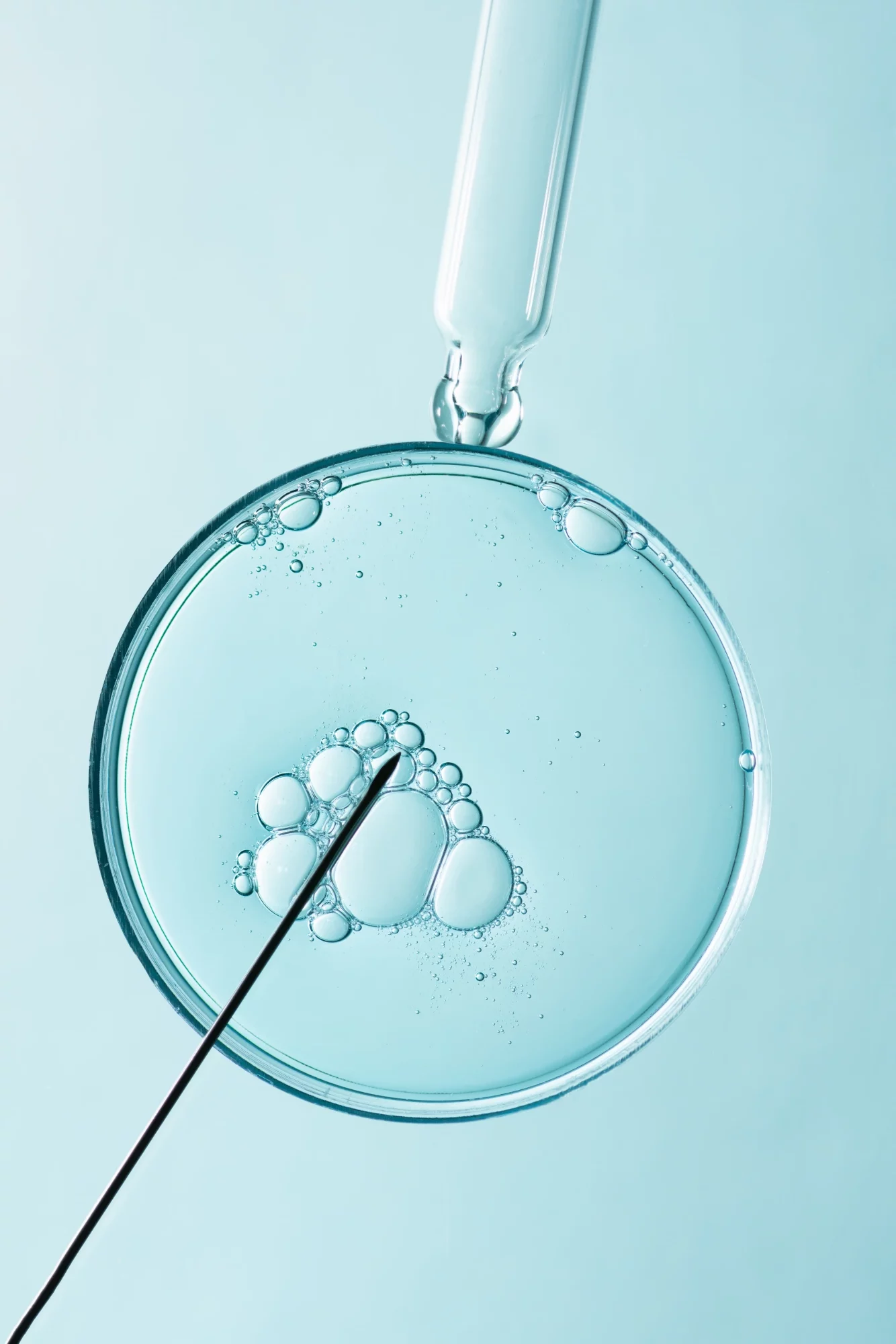
In Vitro Fertilization (IVF) is one of the most advanced assisted reproduction techniques with the highest success rates. It consists of fertilizing the egg with a sperm in the laboratory (using the ICSI technique) and leaving the resulting embryos in long culture until they reach the blastocyst stage, which is the most advanced stage of development in the laboratory.

The resulting embryo will be transferred to the mother’s uterus, significantly increasing the chances of pregnancy.

In vitro fertilization with donor sperm is usually indicated when:

  • Severe alterations in semen quality (azoospermia)
  • Other treatments such as DAI have not worked.
  • Maternal age exceeds 38 years
  • Low ovarian reserve
  • Tubal pathology problems (tubal obstruction)

In the case of IVF-D, the sperm sample comes from anonymous donors who have met all the medical and legal criteria to be able to donate their cells in our country. Our team will select the appropriate donor for each woman or couple based on physical and genetic compatibility criteria, guaranteeing that the process is totally safe and that the sperm quality is optimal.

A treatment tailored to you

In vitro fertilization has enabled millions of people around the world to fulfill their desire to start a family. At bLIVF we combine advanced technology, medical expertise and personalized support to offer effective and safe treatments.

Our goal is to offer a personalized treatment that maximizes the likelihood of success by providing each patient with the utmost confidence and care throughout the process.

Happy family with a newborn baby.

IVF donor sperm success rate (IVF-D)

Age is a determining factor that directly influences the results of the treatment. These high percentages are due to the fact that we design personalized hormonal stimulation protocols, adapted to the characteristics of each patient, and that we have in vitro fertilization laboratories equipped with advanced technology, where embryos are developed and selected under optimal conditions.

What is the in vitro fertilization (IVF) process like?

The in vitro fertilization process takes place in several carefully planned phases. Although each treatment is tailored to the individual patient, it generally follows the following steps.

What is the in vitro fertilization (IVF) process like?

Before starting the treatment, in our in vitro fertilization clinic we perform a complete fertility study. This analysis includes hormonal tests, ultrasound scans, assessment of the uterus and ovaries, as well as a study of the semen to know its quality and fertility capacity. With this information a personalized protocol is designed to start the in vitro fertilization process.

Unlike what happens in a woman’s natural cycle, during the in vitro fertilization process we seek to recover a sufficient number of eggs to increase the chances of success. For this purpose, we indicate the administration of a personalized hormonal medication regimen that will stimulate the ovaries favoring the development of several follicles. During this process (which lasts about 10-12 days) we perform ultrasounds and hormonal analysis to adjust the medication and ensure adequate follicular growth.

When the follicles reach the appropriate size, the ovarian puncture is scheduled. This is a brief procedure that is performed under sedation to avoid discomfort. Using a fine needle guided by vaginal ultrasound, the eggs are extracted from the ovary.

This is a key step in the in vitro fertilization process, and the patient can return home a few hours later.

On the same day of the puncture, the laboratory prepares the sperm sample (from a partner or an anonymous donor) in order to select the best spermatozoa and perform the ICSI technique (Intracytoplasmic Sperm Injection). This technique consists of introducing a sperm directly into the egg to increase the chances of fertilization.

After fertilization, the embryos begin their development in incubators that reproduce the optimal conditions of the organism. For several days, embryologists observe their evolution until they reach the blastocyst stage.

In this phase, the embryos with the highest implantation potential are selected to increase the chances of successful in vitro fertilization the first time.

After 5-6 days after fertilization, the best quality embryo is selected. At this point, depending on the characteristics and the patient’s medical file, a decision is made between two options: vitrification of the embryo for transfer at a later time (cryotransfer) or introduction into the maternal uterus in the same treatment cycle (fresh transfer). The transfer is a painless and quick procedure. It does not require anesthesia and is performed by depositing the embryo into the uterine cavity with a very fine cannula.

After the transfer, the waiting phase, known as “beta-waiting”, begins. It is recommended to lead a quiet life, without great effort, but without the need for absolute rest. During these days it is important to follow the medical guidelines recommended by the specialist. Approximately 10-12 days later, a blood test is performed to measure the beta-hCG hormone and confirm whether implantation has occurred.

Fertility experts

Dr. Iñaki González Foruria

Dr. Iñaki González-Foruria

Medical Director

Dr. Iñaki González-Foruria is a gynecologist specialized in reproductive medicine with a solid scientific background and a practice focused on scientific rigor and personalized attention to his patients.
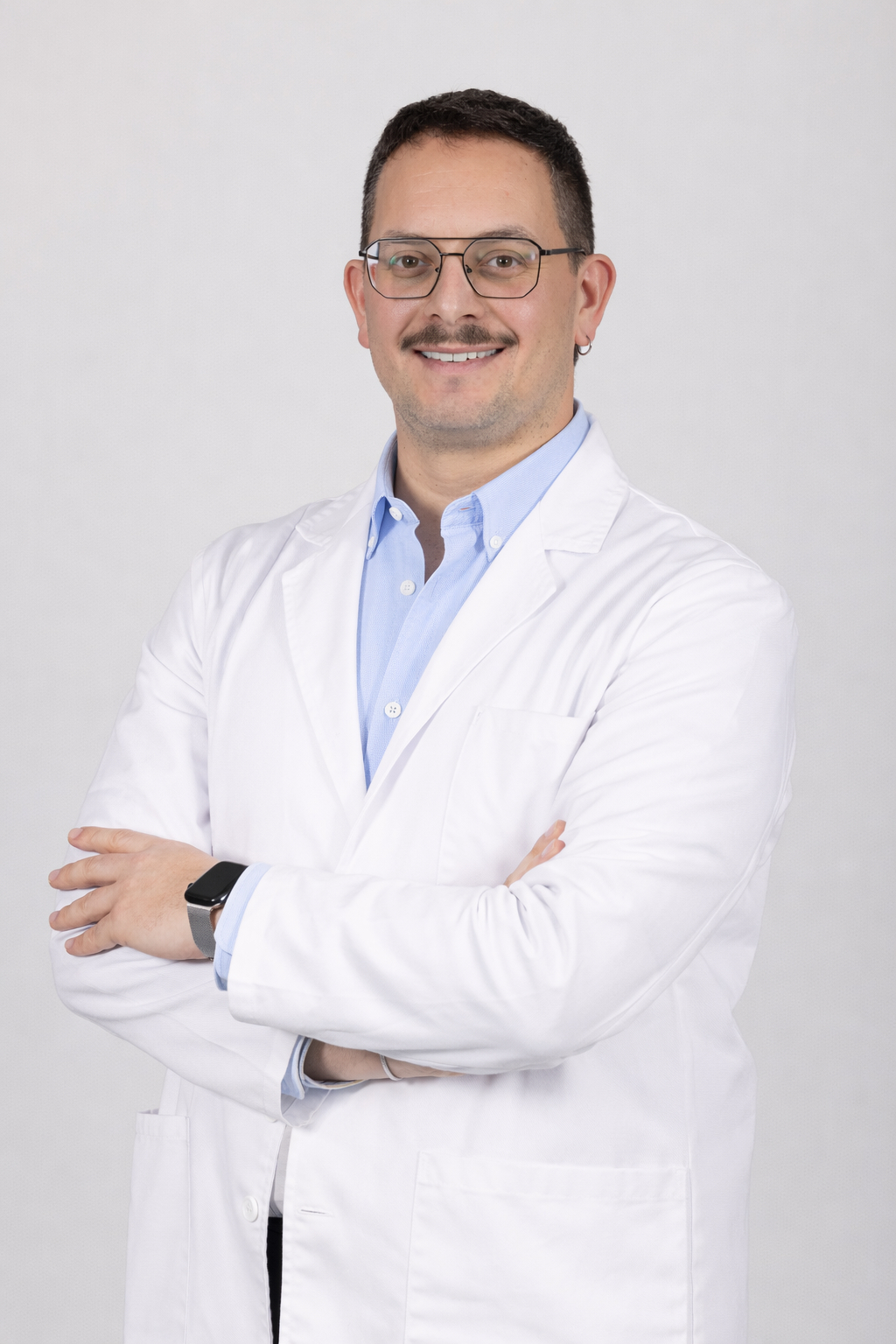
claudia forteza - IVF-D

Dr. Clàudia Forteza Rosich

Medical team

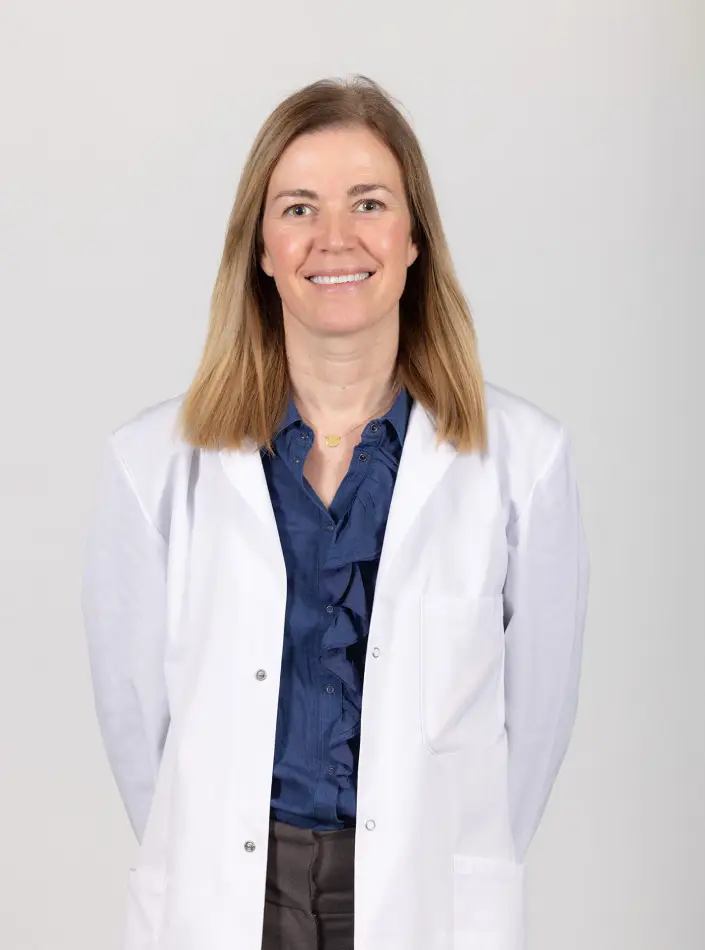
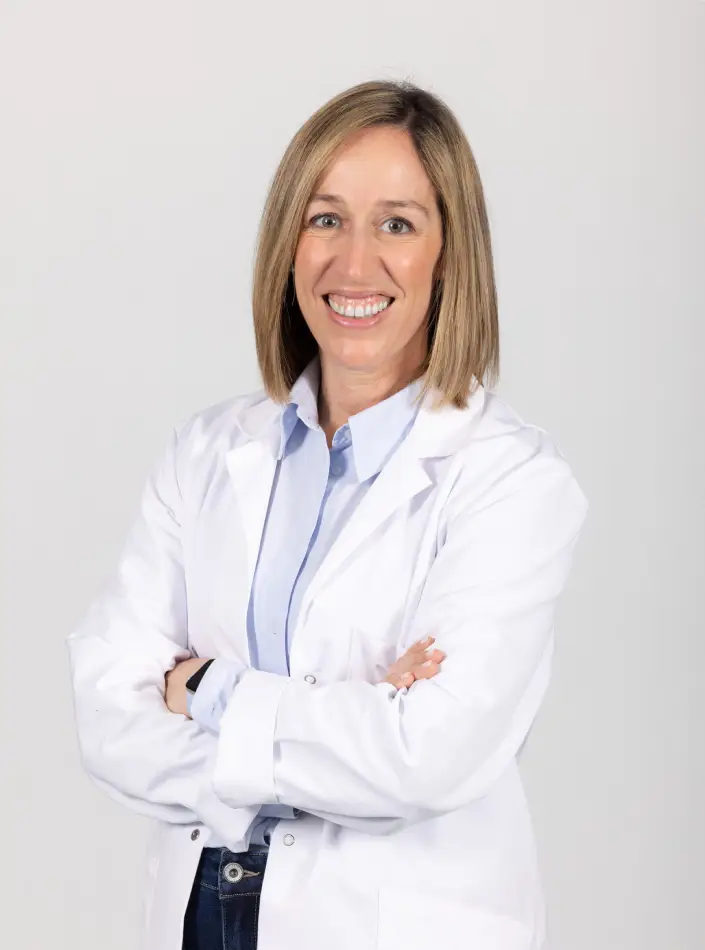
Dr. Clàudia Forteza Rosich is a fertility specialist gynecologist with a solid professional career focused on women's integral health.

Dr. Raffaele Rosania

Dr. Raffaele Rosania

Medical team

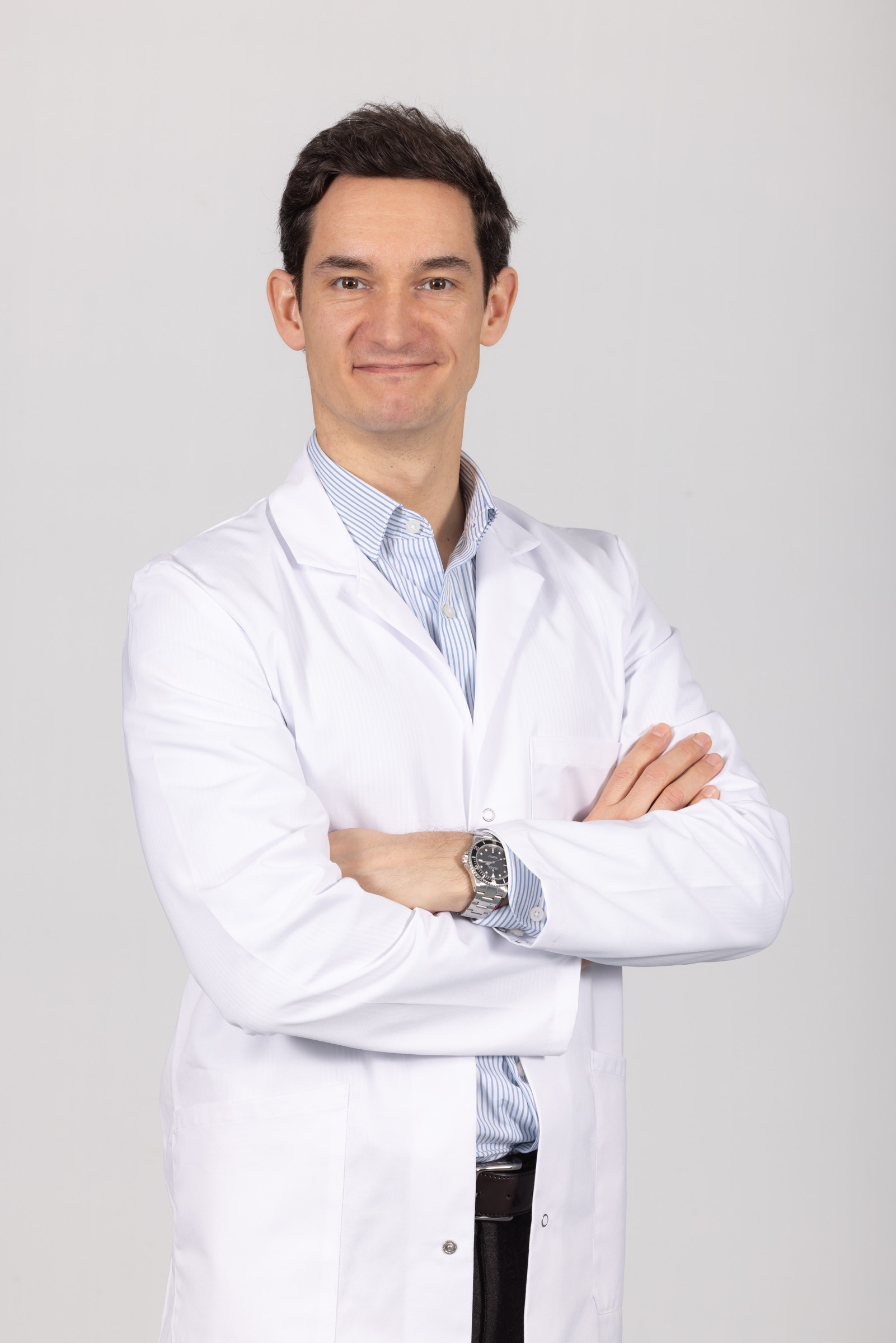
Dr. Raffaele Rosania is a gynecologist specializing in assisted reproduction with a career focused on comprehensive women's health care and specialized care for transgender people.

Dr. Rebeca Beguería

Dr. Rebeca Beguería

Deputy Medical Director

Dr. Rebeca Beguería is a gynecologist specialized in reproductive health and reproductive medicine with a solid background and extensive clinical experience.

Dr. Véronique Moens

Dr. Véronique Moens

Medical team

Dr. Véronique Moens is a gynecologist specializing in assisted reproduction with an international linguistic profile.

blivfclinic-contact

Book your appointment