ROPA Method

Motherhood as a couple, a shared dream

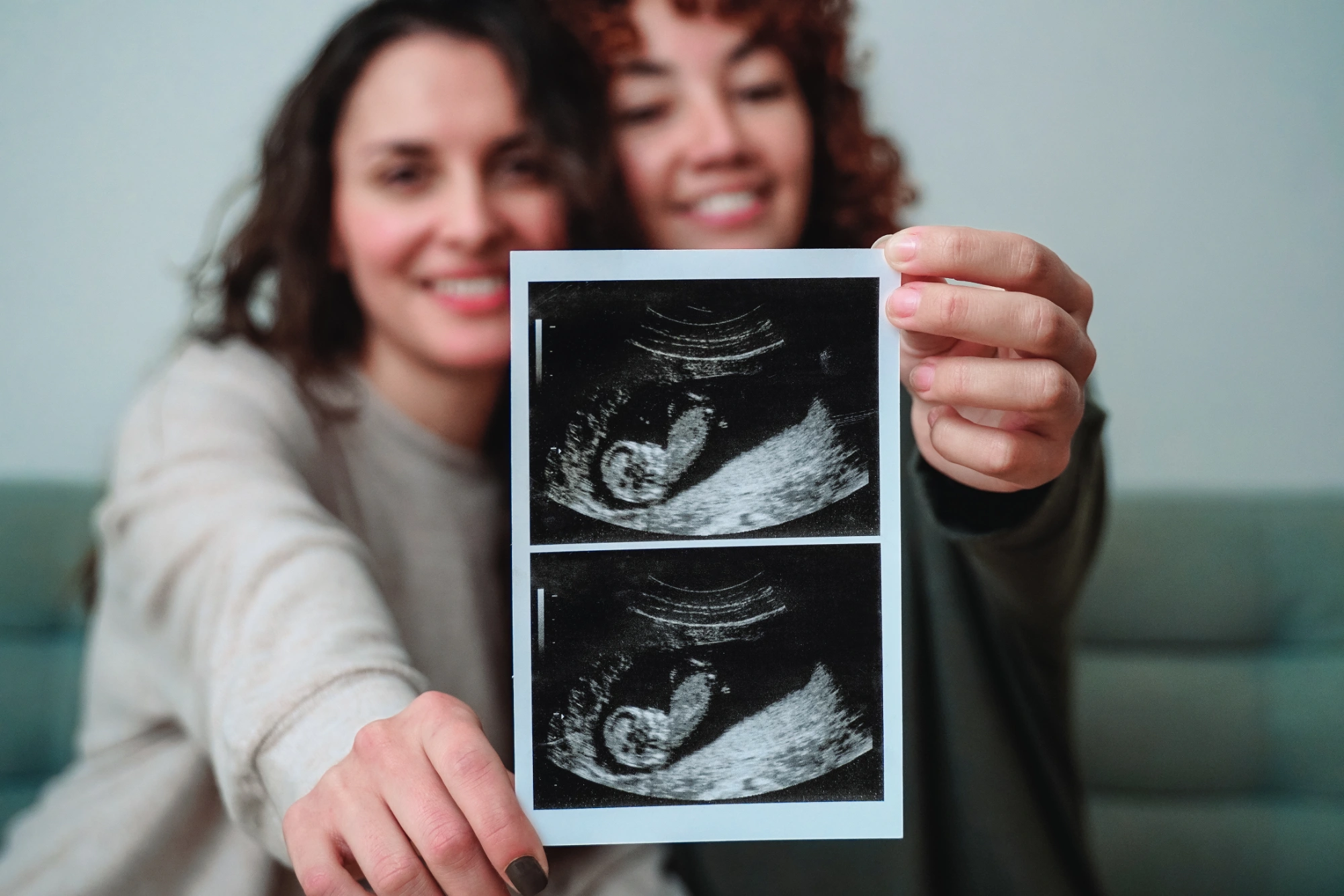
At bLIVF, we believe that motherhood is a journey full of love and emotion, and with the ROPA method (Reception of Oocytes from the Couple), you can experience it together in a unique way. This treatment is designed for couples of women who wish to actively share the arrival of their baby: one of you provides the eggs and the other carries the pregnancy, allowing both of you to biologically participate in the gestation.

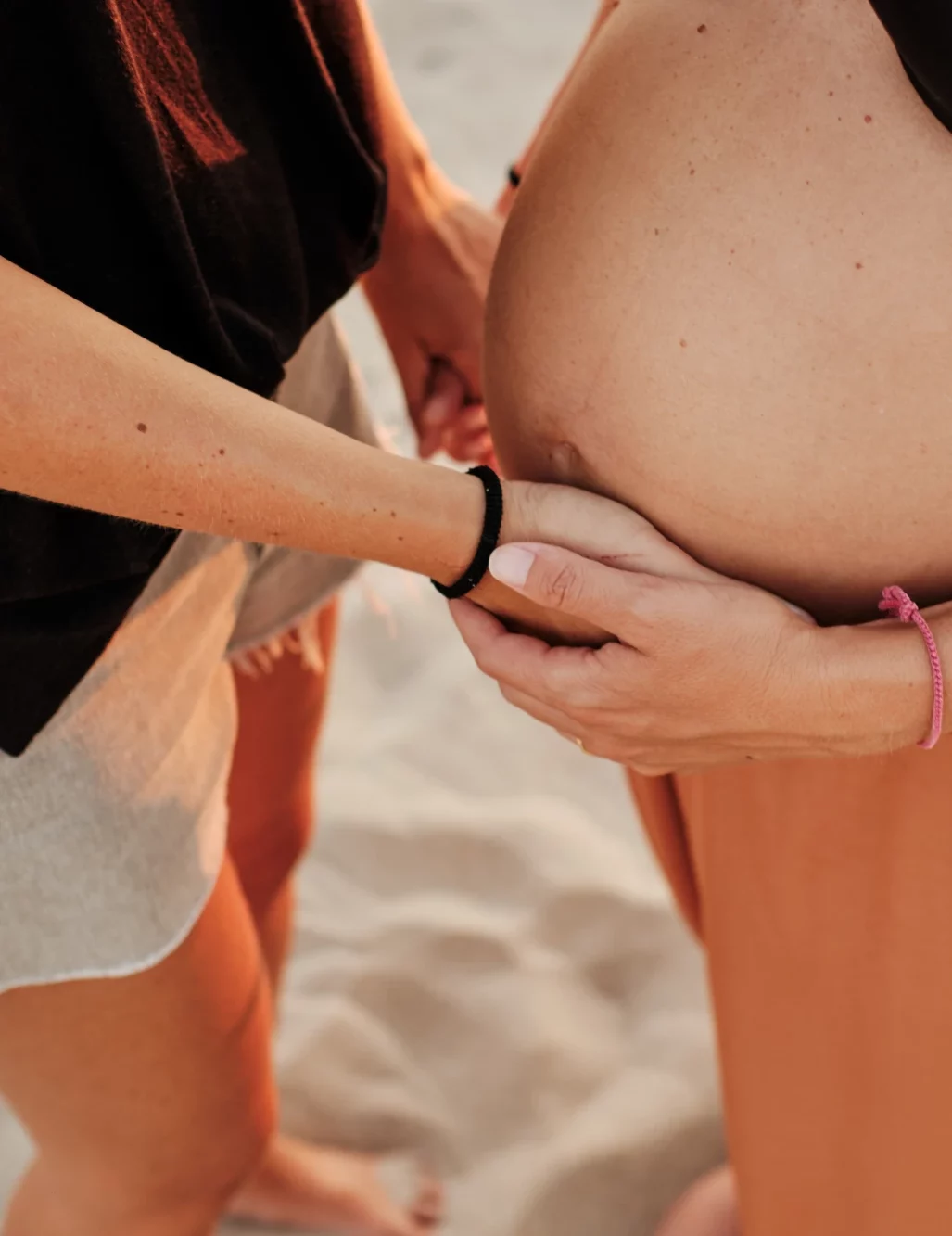
Thanks to the ROPA method, both women can be biologically involved in the birth of the baby: one of them provides the eggs (genetic mother) and the other carries the pregnancy (gestating mother). This technique makes it possible to experience motherhood as a shared project from the very beginning.

A shared journey, full of emotion

The ROPA method allows both women to actively participate in the conception and gestation of the baby, making the assisted reproduction process a unique experience.

At bLIVF we accompany each couple throughout the treatment with a close, professional and personalized approach. Our goal is that you can live the ROPA method with peace of mind, confidence and the illusion of building your family together.

AdobeStock 535659017 - ROPA method

Success rate of the ROPA Method

The success rates in the ROPA method are directly related to the age of the woman who performs the ovarian stimulation, that is, the woman who provides her eggs. This factor is a determining factor in the results of the treatment, just as it is in IVF cycles.

The high percentages we have in bLIVF Clinic are due to the fact that our hormonal stimulation protocols are designed in a personalized way, adapted to the characteristics of each patient. This way of working together with the advanced technology of our laboratory allows the development of the embryos and their conditions to be optimal.

The probability of pregnancy using your own eggs can reach 66.5% with a single transfer and can reach up to 91.8% after a third attempt, this is what we know as cumulative probability.

How does the ROPA method work?

Treatment with the ROPA method is carried out in different phases that are adapted to the needs of each couple.

How does the ROPA method work?

We meet with you to understand your story, answer all your questions and personalize the treatment. We decide together who will be the genetic mother (who provides the eggs) and who will be the gestational mother (who will carry the pregnancy).

The genetic mother will receive a mild hormonal treatment for a few days so that her ovaries produce several eggs. Once ready, they are extracted in a simple and painless procedure under sedation: follicular puncture.

In the laboratory, the eggs are fertilized with the sperm of a selected anonymous donor, using the ICSI technique. The embryos are then cultured for a few days to select and choose the best quality embryos.

Once the embryos have reached their optimal development, the process of preparing the uterus of the pregnant mother begins, so that the embryo has the best environment for implantation. The preparation of the uterus will be done in the woman’s own natural cycle or in some cases under hormonal treatment.

When the time comes, the best quality embryo is placed in the pregnant mother’s uterus in a painless and quick procedure.

A few days after the embryo transfer, a pregnancy test is performed to confirm whether the implantation has been successful. From that moment on, the medical follow-up of the pregnancy begins.

Fertility experts

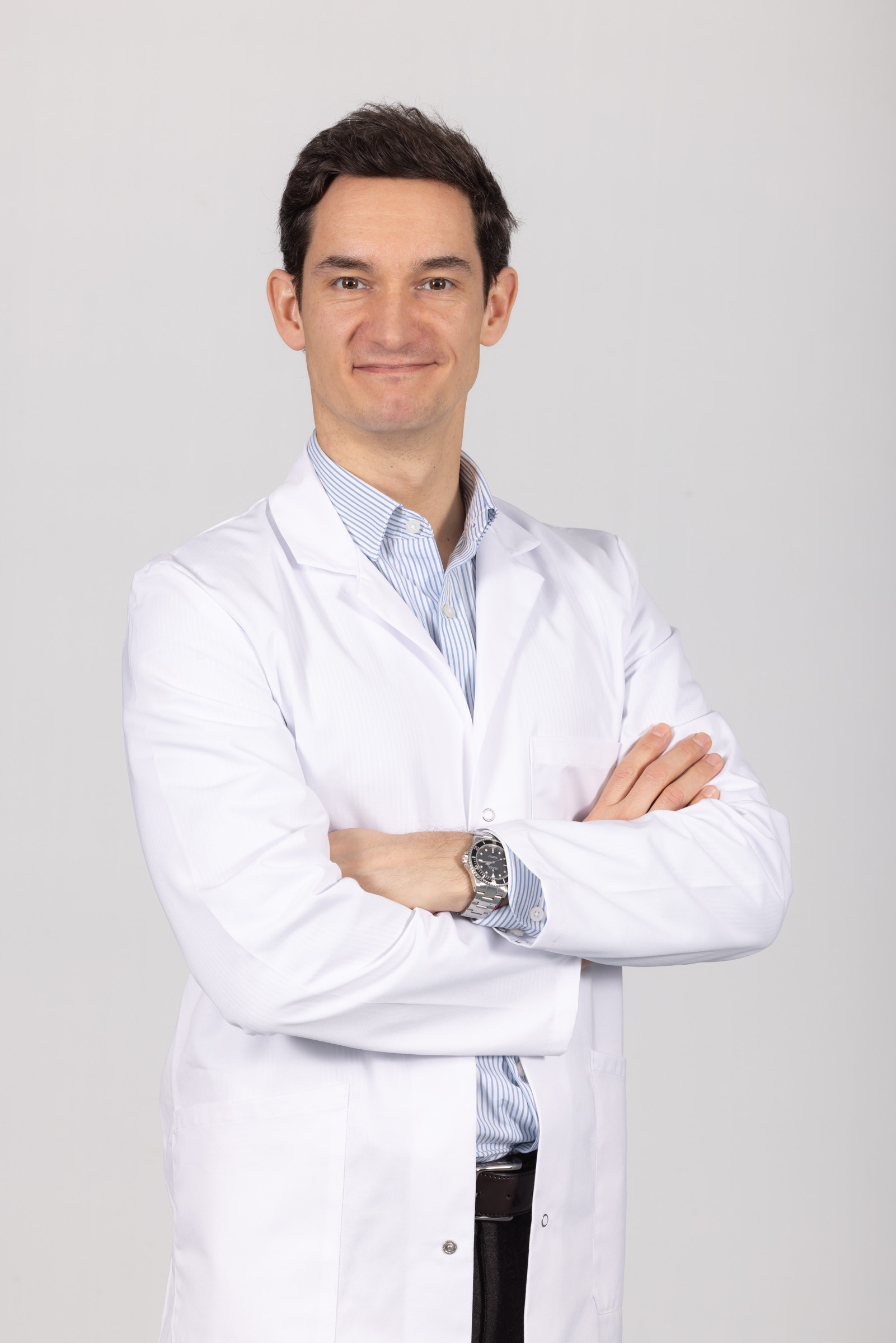
Dr. Iñaki González Foruria

Dr. Iñaki González-Foruria

Medical Director

Dr. Iñaki González-Foruria is a gynecologist specialized in reproductive medicine with a solid scientific background and a practice focused on scientific rigor and personalized attention to his patients.
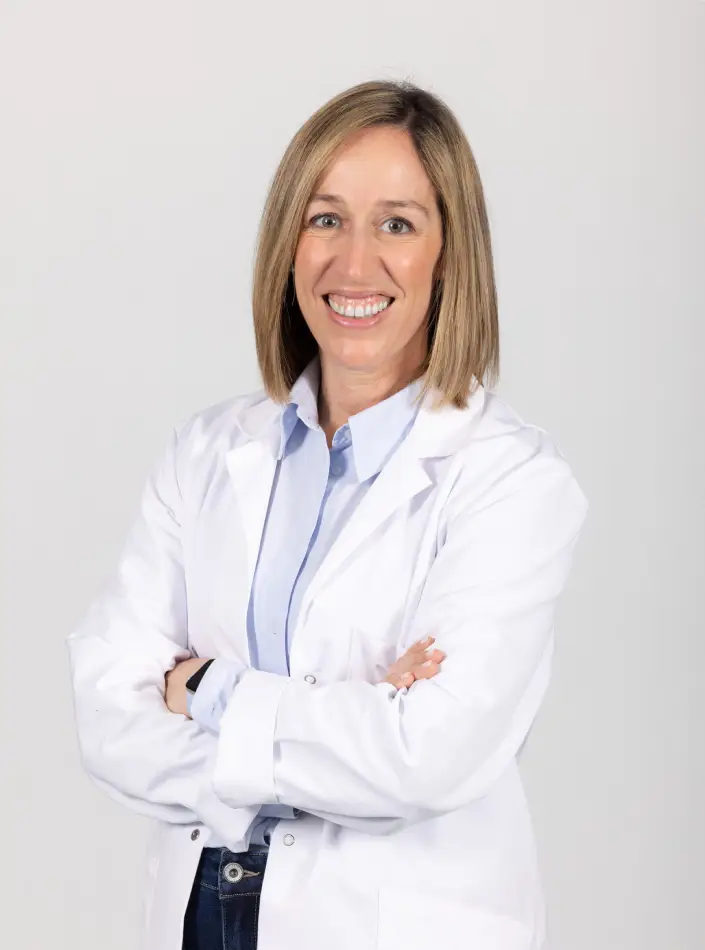
claudia forteza - ROPA method

Dr. Clàudia Forteza Rosich

Medical team

Dr. Clàudia Forteza Rosich is a fertility specialist gynecologist with a solid professional career focused on women's integral health.

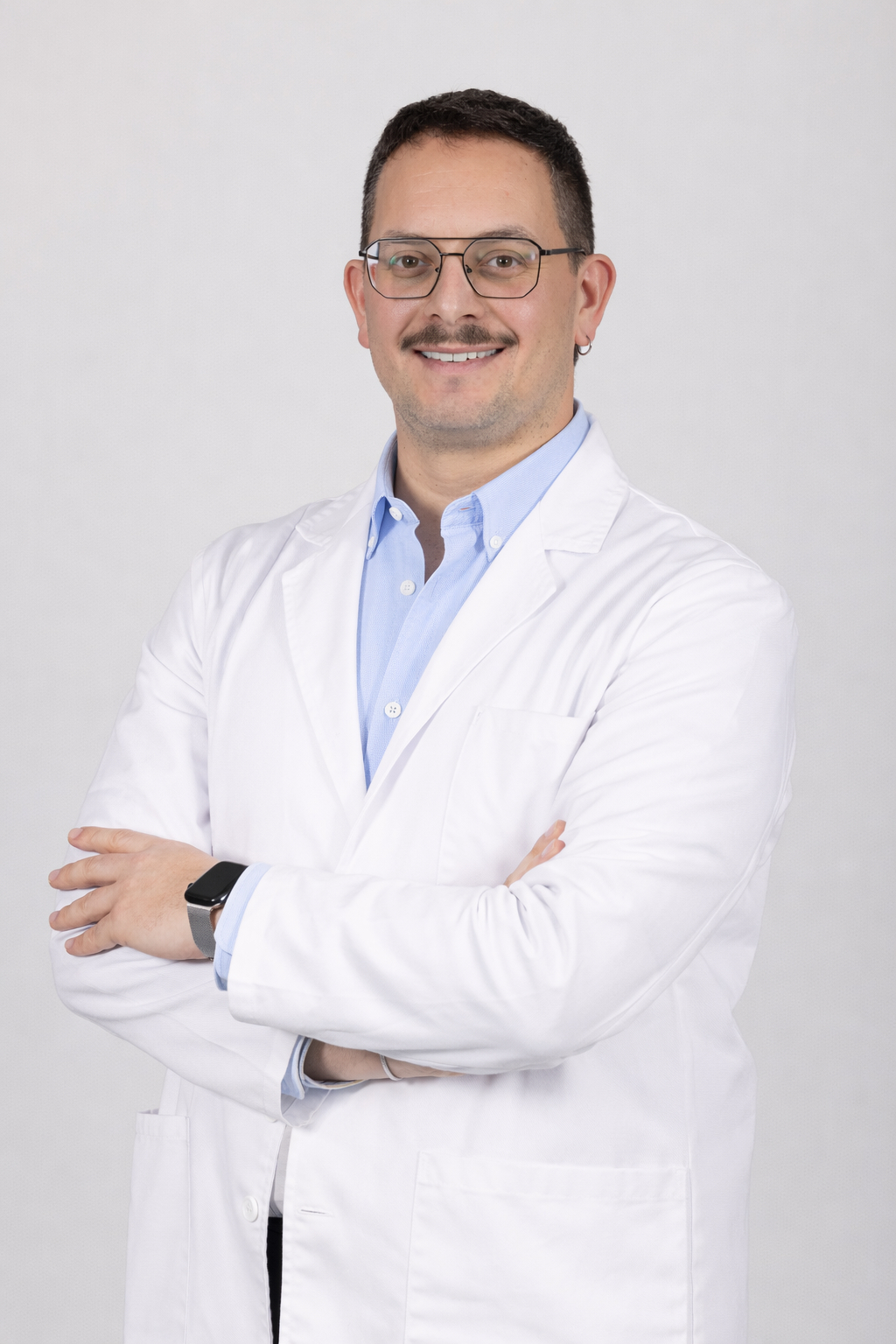
Dr. Raffaele Rosania

Dr. Raffaele Rosania

Medical team

Dr. Raffaele Rosania is a gynecologist specializing in assisted reproduction with a career focused on comprehensive women's health care and specialized care for transgender people.

Dr. Rebeca Beguería

Dr. Rebeca Beguería

Deputy Medical Director

Dr. Rebeca Beguería is a gynecologist specialized in reproductive health and reproductive medicine with a solid background and extensive clinical experience.

Dr. Véronique Moens

Dr. Véronique Moens

Medical team

Dr. Véronique Moens is a gynecologist specializing in assisted reproduction with an international linguistic profile.

blivfclinic-contact

Book your appointment